

Renown Concession Trailers

How Much Money Can a Food Trailer Make?

Food trailer business showing how much money a food trailer can make

If you’re thinking about starting a food trailer business, one of the first questions you probably have is simple:

How much money can a food trailer actually make?

The answer depends on what you sell, where you operate, how often you work, and how well you control your expenses. But a well-run food trailer can become much more than a weekend side hustle. For some owners, it becomes a full-time business with the potential to generate six figures in annual sales.

The advantage of a food trailer is that you’re not tied to one location. You can go where the customers are — lunch crowds, festivals, fairs, sporting events, concerts, breweries, private parties, weddings and community events.

Let’s break down the numbers and look at what determines how profitable a food trailer can be.

How Much Revenue Can a Food Trailer Generate?

There isn’t one average number that applies to every food trailer.

A trailer operating three days a week in a small town will have very different sales than one traveling to large festivals every weekend.

A simple way to estimate potential revenue is to look at the number of customers served and the average ticket price.

For example, suppose your average customer spends $15.

If you serve:

Customers Per DayAverage TicketDaily Sales
50$15$750
100$15$1,500
150$15$2,250
200$15$3,000

At 100 customers per day, four days per week, that’s approximately $6,000 in weekly gross sales.

Over 50 operating weeks, that would equal roughly $300,000 in gross annual revenue.

That’s revenue — not profit — but it shows why location and customer volume can make such a dramatic difference.

Revenue Isn’t the Same as Profit

This is one of the most important things for a new food trailer owner to understand.

If your trailer sells $200,000 worth of food during the year, you haven’t made $200,000.

Your business still has expenses.

Those may include:

  • Food and ingredients
  • Packaging and disposable supplies
  • Employee wages
  • Fuel
  • Propane
  • Generator or electrical costs
  • Commissary kitchen expenses
  • Insurance
  • Permits and licenses
  • Event and vendor fees
  • Credit-card processing fees
  • Marketing
  • Maintenance and repairs
  • Trailer and tow-vehicle payments

What remains after those expenses is your actual operating profit.

That means controlling costs can be just as important as increasing sales.

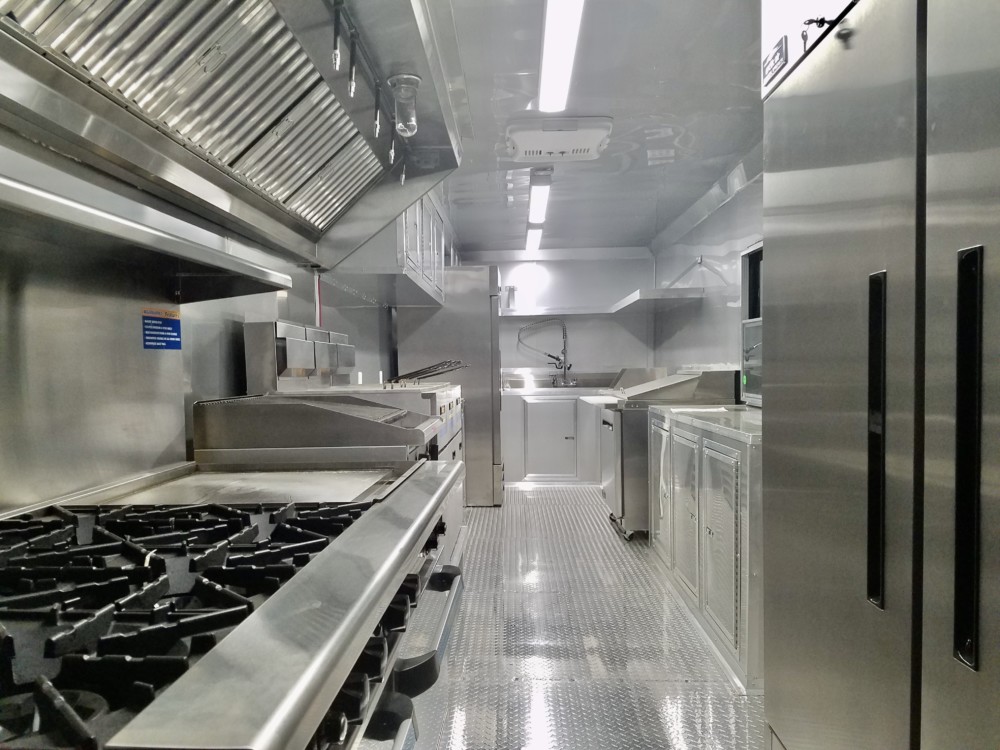
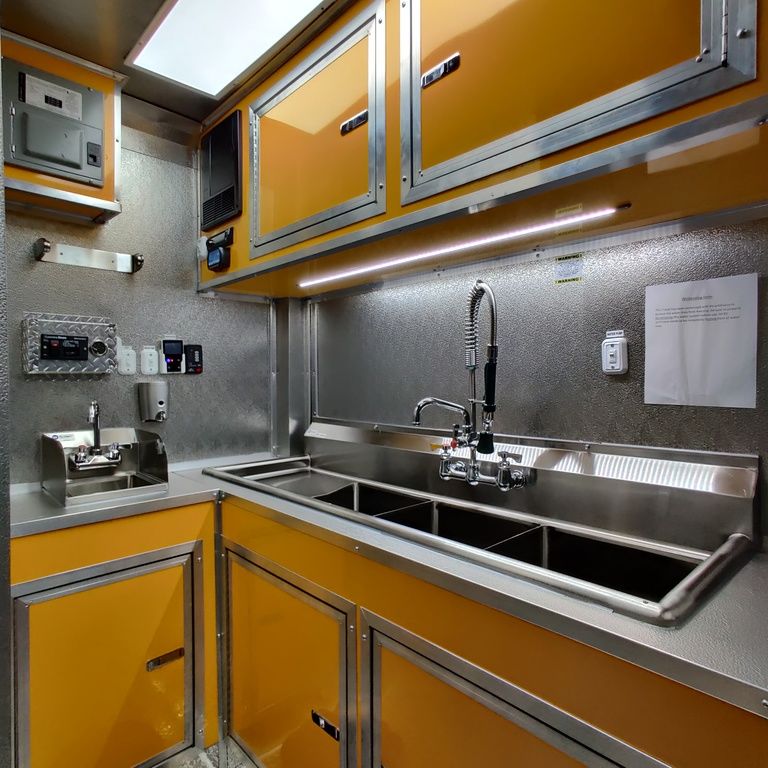
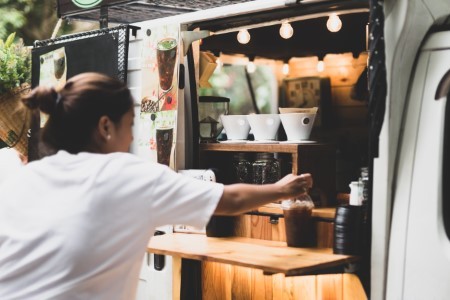
inside a food truck trailer

What Could a Food Trailer Owner Actually Take Home?

Let’s look at a realistic full-time example.

Imagine a food trailer operates 4 days a week and averages $2,000 to $2,500 per operating day, generating $35,000 in gross sales for the month.

After paying for food inventory, labor, fuel, insurance, event fees, and general overhead, a well-managed trailer keeping a 20% net profit margin would yield $7,000 in net profit for the month ($84,000 annually).

On the other hand, an operator working a part-time schedule ($15,000 in monthly sales) might bring home around $3,000 a month, while a high-volume festival trailer doing $50,000+ a month can take home six figures net.

This is why asking “How much does a food trailer make?” depends entirely on your setup. The goal isn’t just generating sales — it’s controlling your expenses so you maximize what stays in your pocket.

The better question is:

How much can I sell — and how much will it cost me to make those sales?

Your Menu Can Make or Break Your Profit

A successful food trailer doesn’t necessarily need a huge menu.

In fact, a smaller, focused menu can make the operation easier to manage.

Consider items that are:

Fast to prepare. Long ticket times limit how many customers you can serve during your busiest hours.

Easy to repeat consistently. Customers should receive the same quality whether they’re first or 100th in line.

Profitable. Ingredient cost needs to leave enough room to cover your other expenses.

Easy to store. Space inside a food trailer is valuable.

Built around shared ingredients. If several menu items use many of the same ingredients, you can simplify inventory and potentially reduce waste.

BBQ, burgers, tacos, sandwiches, wings, loaded fries, coffee, desserts and specialty foods are common concepts because operators can build focused menus around them.

The best concept, however, is one that works in your particular market.

Location Can Be More Important Than the Food

You can have incredible food and still struggle if nobody knows where to find you.

One of the biggest advantages of owning a food trailer is mobility.

Instead of waiting for customers to come to a permanent restaurant, you can potentially take the business to them.

That might include:

Lunch locations: factories, industrial parks, office complexes and construction areas.

Community events: fairs, festivals, farmers markets and downtown events.

Entertainment venues: breweries, concerts, sporting events and race tracks.

Private events: weddings, corporate gatherings, birthdays and reunions.

Regular weekly locations: businesses or properties where you’ve arranged permission to operate.

A strong operator may use several of these strategies rather than depending on one location.

Events Can Produce Big Sales — But Watch the Fees

A busy festival can expose a food trailer to thousands of potential customers.

That’s exciting, but don’t automatically assume a large crowd means a large profit.

Some events charge substantial vendor fees. Others may require a percentage of sales.

Before committing, estimate:

Expected attendance × realistic percentage of customers × average ticket = potential sales.

Then subtract the event fee, food cost, labor, travel and other expenses.

A $5,000 sales day sounds fantastic.

But a $5,000 sales day with unusually high vendor fees and labor expenses is very different from $5,000 generated at a regular location with much lower operating costs.

Catering Can Add Another Revenue Stream

Your serving window doesn’t have to be the only way your trailer earns money.

Private catering can potentially provide another revenue stream.

Businesses may book food trailers for employee lunches. Couples may hire one for a wedding. Families may want one at a graduation or birthday party.

Some operators establish a minimum booking amount for private events.

For example, rather than hoping enough guests purchase food individually, the customer may guarantee a minimum amount of sales.

That can make revenue more predictable.

Could a Food Trailer Become a Six-Figure Business?

Yes — in terms of gross annual sales, the math makes it possible.

Consider a trailer averaging:

$2,000 per operating day × 3 days per week × 50 weeks = $300,000 in annual gross sales.

Even:

$1,000 per day × 3 days per week × 50 weeks = $150,000 in annual gross sales.

But these are illustrations, not guarantees.

Weather, seasonality, competition, menu pricing, location, food costs, staffing and local demand can all dramatically affect actual results.

And again, gross sales are not what the owner takes home.

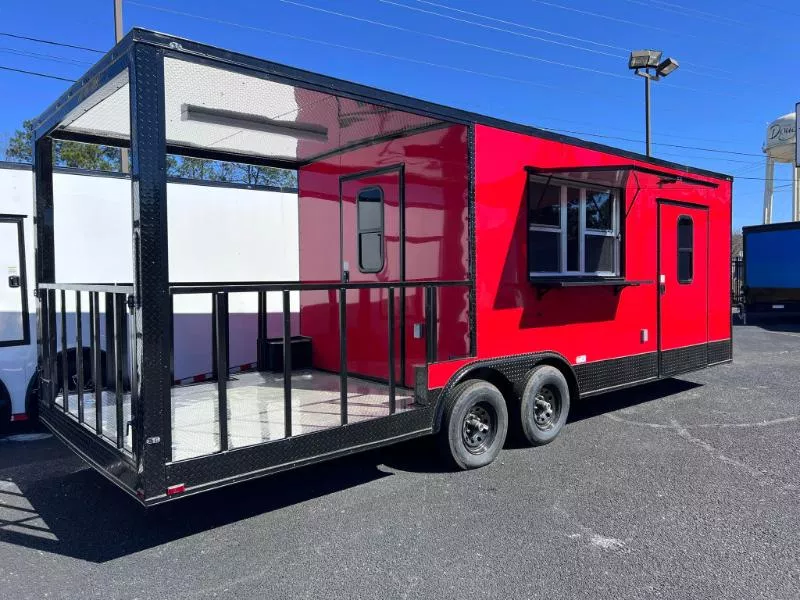
food truck trailer for sale with porch

How Many Customers Do You Need?

Working backward from your income goal can be extremely helpful.

Suppose your goal is $1,500 in sales for the day and your average ticket is $15.

You need approximately:

100 customers.

Increase the average ticket to $18 and you’d need roughly:

84 customers.

That’s why upselling can matter.

Adding drinks, sides, desserts or combination meals can increase the average transaction without requiring another customer to walk up to the window.

An extra $3 per order across 100 customers is another $300 in daily revenue.

Don’t Forget the Cost of Starting a Food Trailer

Before you start calculating profit, you also need to consider startup expenses.

The trailer itself is only part of the investment.

Depending on your business and local requirements, your startup budget could include cooking equipment, refrigeration, sinks, water tanks, plumbing, electrical systems, ventilation, fire-suppression equipment, generators, propane systems, signage, POS equipment, permits, insurance and initial inventory.

Requirements vary considerably by state and local jurisdiction.

Always check with your local health department, fire authority and other applicable agencies before ordering or building a food trailer.

It’s much easier to design the trailer around your requirements than discover after the build that something needs to be changed.

Why Starting With the Right Food Trailer Matters

Your trailer is essentially your restaurant’s kitchen, storage room and storefront on wheels.

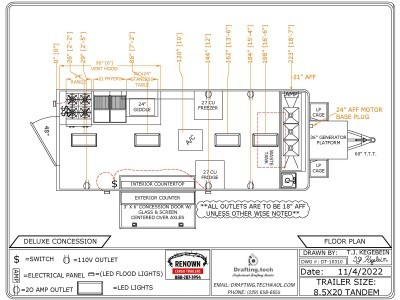
The layout matters.

Where will employees stand?

Where will food be prepared?

How many people need to work inside?

Where will refrigeration go?

Where should the sinks be located?

What cooking equipment will you need?

Where will customers order and receive their food?

How much fresh and wastewater capacity do you need?

Those decisions affect how efficiently your team can work when there’s a line of customers outside.

A poorly planned layout can slow down every order.

A well-planned layout can help keep the operation moving.

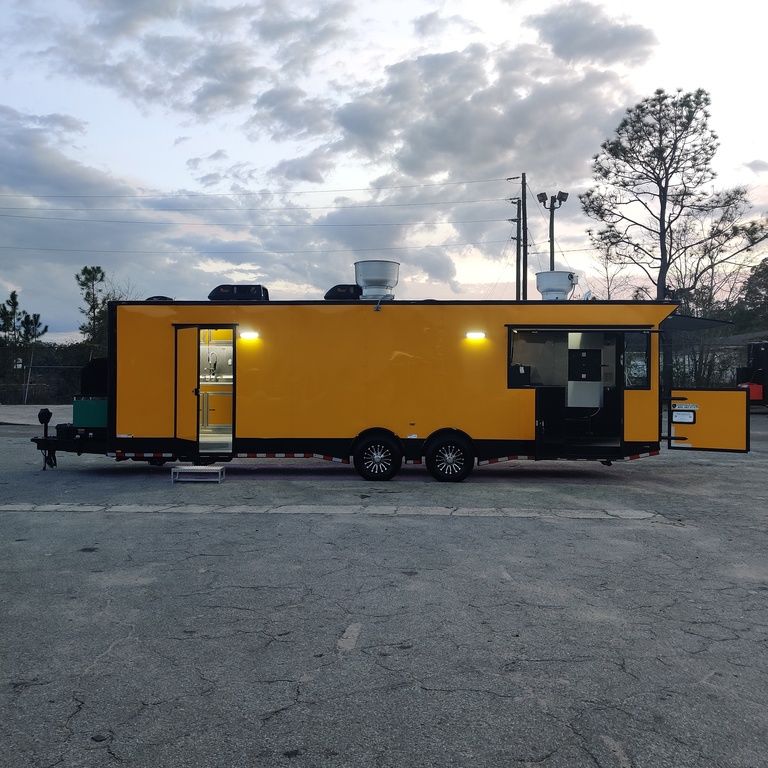
inside a food trailer

Custom Food Trailers Give You More Control

This is where starting with a trailer designed around your business can make a major difference.

At Renown Cargo Trailers, we can help customers build concession and food trailers around the type of business they want to operate.

Depending on the build and requirements, that may include serving windows, counters, electrical packages, sinks and plumbing provisions, finished interiors, equipment layouts and other custom options.

Instead of trying to force your business into somebody else’s layout, you can start with a trailer designed around your workflow and your menu.

How to Increase Your Food Trailer’s Earning Potential

Making more money doesn’t always mean working more hours.

Sometimes it means making each hour more productive.

Focus on a few fundamentals:

Choose profitable menu items. Know what every item costs you to produce.

Keep service fast. During a rush, every minute matters.

Increase your average ticket. Drinks, sides, combos and desserts can add revenue to existing orders.

Build repeat locations. Regular customers can provide a more predictable sales base.

Use social media. Tell customers where you’ll be before you arrive.

Track your numbers. Know your sales, food cost, labor cost and profit from each location or event.

Don’t chase every event. A smaller event with low fees can sometimes be more profitable than a huge festival with expensive vendor costs.

So, How Much Money Can a Food Trailer Make?

There isn’t a guaranteed number.

A food trailer might produce a few hundred dollars during a slow day or several thousand dollars during a strong event. A successful operation working consistently can potentially generate substantial annual revenue.

But the operators who build sustainable businesses don’t focus only on sales.

They focus on profit.

The goal isn’t simply to have the longest line.

It’s to build a business where the numbers work after the food, labor, fuel, fees and other expenses are paid.

And that starts before the first meal is ever served — with a solid business plan and a food trailer designed to support it.

Ready to Build Your Food Trailer?

Whether you’re turning a family recipe into a business, expanding an existing restaurant, adding mobile catering or starting something completely new, Renown Cargo Trailers can help you build a concession trailer around your vision.

Choose the size, layout, serving windows, interior configuration and available options that make sense for your operation.

If you can dream it, we can build it.

Renown Cargo Trailers
Douglas, Georgia
888-287-3954
Nationwide Delivery Available
Financing available

Concession Trailer Financing Guide

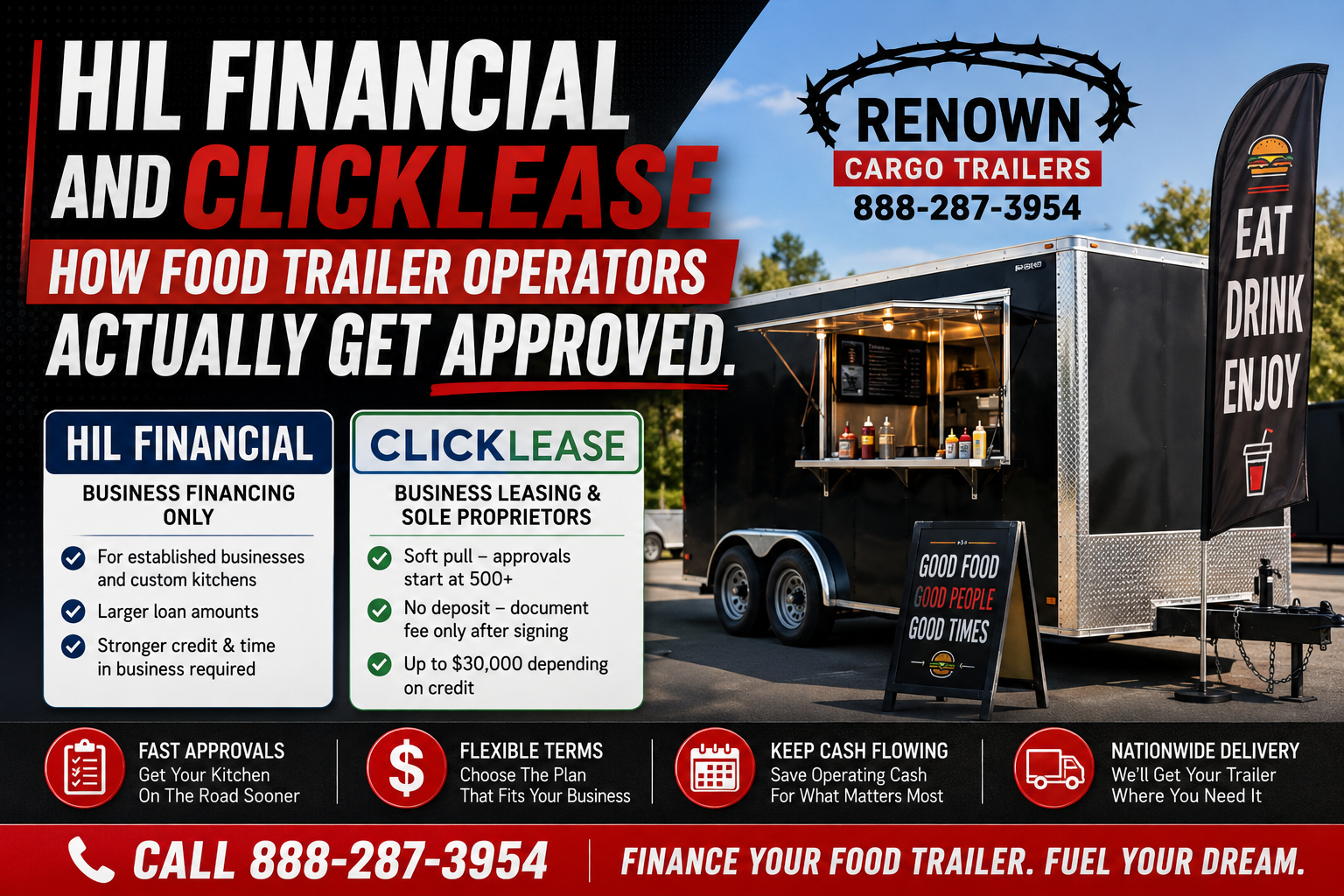
HIL Financial and ClickLease — how food trailer operators actually get approved.

Concession trailer financing in 2026 is how you put a working kitchen on the road without emptying the account that buys food, propane, and booth fees. A finished food trailer commonly runs $15,000–$70,000. Custom kitchens run higher. At Concession Trailer (Renown Cargo Trailers, Douglas, GA) we point food operators to two programs: HIL Financial for business financing, and ClickLease for business leasing and sole proprietors.

This is a guide, not a loan offer. Approval is always with the lender. We tell you which door to knock on so you do not apply three times and stall your open date.

Which program fits a food trailer

 HIL FinancialClickLease
TypeBusiness financing onlyBusiness leasing & sole proprietorship
Credit pullStandard business fileSoft pull. Approvals start at 500+
Best forEstablished kitchens and larger custom buildsSnack, beverage, and smaller food trailers
CapSet by credit and time in businessMax $30,000 depending on credit
Down / depositPer lender fileNo deposit. Document fee only after you sign
Document feePer HIL$79–$499 after signing the contract
TermsPer approval24, 36, 48, or 60 months

ClickLease’s $30,000 cap matters. A fully equipped fryer/grill kitchen at $35,000–$70,000 usually needs HIL or cash. A lemonade, coffee, or simple snack trailer under $30,000 is the ClickLease lane.

HIL Financial — business financing only

HIL is for a real food business, not a personal auto loan. The trailer is commercial equipment. They look at time in business, credit, and whether the kitchen has been making money.

HIL requirements (bring this to the call)

Time in businessWhat HIL wants
Startup (0–2 years)675+ credit and 3 years of industry experience, proven with tax returns. A brand-new LLC with no restaurant or catering history will not clear this bar.
2–5 years625+ credit, 3 months of bank statements, and a tax return that shows the business has been making money.
5+ years3 months of bank statements may be required depending on credit.
If the Secretary of State filing does not prove time in businessTaxes, business license, DBA filings, and similar records can be used.

If you cooked in someone else’s restaurant for years and just opened your own trailer, those tax returns are the file. If you have never been in food, start with ClickLease on a trailer under $30,000 — or pay cash on a small unit until HIL can see deposits.

ClickLease — business leasing and sole proprietors

ClickLease is the path for sole props and smaller food trailers. Credit is a soft pull. Approvals start at 500+. No deposit. You pay a document fee of $79.00 to $499.00 after you sign the contract — not a down payment parked on the trailer.

ClickLease rules we run:

– Terms: 24, 36, 48, or 60 months.

– Cap: maximum $30,000, depending on credit score. Price the trailer to that number or HIL has to take the file.

– No deposit. Document fee only, after signing.

– Buy-in-5: if you pay off the invoice amount within the first 5 months, you pay the invoice amount only — no additional fees or interest.

Buy-in-5 is the move if you have a strong festival season coming and expect to clear the note from the first months of sales. Finance the trailer, open, then buy it out at invoice if the cash shows up. Miss that 5-month window and you are on the remaining lease term.

What this means on real food-trailer prices

From our 2026 cost guide:

BuildTypical cash priceUsual path
Shell$7,000 – $15,000ClickLease or cash
Basic finished (snacks, lemonade, coffee)$15,000 – $35,000ClickLease if at or under $30k; HIL if over
Fully equipped kitchen$35,000 – $70,000HIL Financial or cash — over the ClickLease cap
Premium custom$70,000 – $120,000+HIL, if the business file qualifies

Full pricing breakdown: https://concessiontrailer.com/how-much-does-a-concession-trailer-cost-in-2026/

What to have in the folder

HIL file

– Business name as filed, EIN if you have one, and how long you have been operating.

– Tax returns (industry experience for startups; profit for 2–5 year shops).

– 3 months of business bank statements when the table above calls for them.

– Credit in the band for your time in business (675+ startup / 625+ at 2–5 years).

– Trailer quote or stock number so they are financing a real kitchen, not a guess.

ClickLease file

– Soft-pull application (approvals start at 500+).

– Trailer priced at or under $30,000 after you pick equipment.

– Plan for the $79–$499 document fee after you sign.

– If you will use buy-in-5, know that the invoice has to be paid in full in the first five months.

Do not drain operating cash

A food trailer that is paid off but has no product, no propane, and no booth fee is a parked box. Finance the kitchen. Keep cash for food cost, event fees, insurance, and the first slow weeks. If ClickLease gets you open this month and HIL would have taken six weeks of bank statements, open. You can still buy out in five months if the season is real.

Taxes (talk to your CPA)

A concession trailer used in a trade or business may qualify for Section 179 or bonus depreciation in the year you place it in service. We are not tax advisors. Take the invoice to your CPA before you pick a term just to save on the payment.

How we run it

1. Pick the food trailer or send the build list. In-stock units fund faster than a full custom.

2. We route you: ClickLease if you are at or under $30,000; HIL if you are a qualifying business on a larger kitchen.

3. Apply. ClickLease is a soft pull. HIL is a business file — have the returns and statements ready.

4. Sign, insure, pick up in Douglas, GA, or we arrange nationwide delivery.

Watch real builds at youtube.com/renowncargotrailers so you finance the kitchen you will actually work.

FAQ

I just formed the LLC last month. Can I use HIL?

Only if you have 675+ credit and three years of industry experience on tax returns (restaurant, catering, food service). A new paper company with no food history is a ClickLease or cash file, and ClickLease still has to fit under $30,000.

My kitchen quote is $42,000. Can ClickLease do it?

No. ClickLease caps at $30,000 depending on credit. That unit is HIL or cash. We can also strip the build to a $30,000 snack/beverage spec if you need ClickLease to open this season.

What is buy-in-5?

On ClickLease, if you pay the invoice amount within the first five months, you pay that invoice amount only — no extra fees or interest. After month five you are on the remaining 24/36/48/60-month term.

Is rent-to-own on food trailers?

The rent-to-own program we run is for any trailer under $20,000 — not for concession kitchens. Food trailers go HIL or ClickLease. Call us if you are shopping both a kitchen and a grooming unit — those are different programs.

Can the fryer and hood ride on the same approval?

If they are installed in the trailer and on our invoice, they count toward the amount financed. Stay under $30,000 for ClickLease. Over that, it is an HIL conversation.

Ready to apply?

Call 888-287-3954. Tell us the menu, the trailer price, years in food, and whether you want HIL or ClickLease. We will tell you which file will actually book before you apply twice.

Concession Trailer  ·  Renown Cargo Trailers, LLC  ·  1135 Bowens Mill Rd SW, Douglas, GA 31533ncial and ClickLease — how food trailer operators actually get approved.

New vs Used Concession Trailers: Which Is Right for You?

Buying a concession trailer is a big investment. One of the first decisions you’ll face is whether to buy new or used. Both options can work — but the right choice depends on your budget, timeline, risk tolerance, and long-term business goals.

In this guide, we break down the real differences between new and used concession trailers so you can make a confident decision.

Why This Decision Matters

Your concession trailer is more than just a piece of equipment. It’s your mobile kitchen, your brand, and often the face of your food business. Choosing the wrong one can lead to unexpected repairs, health-code issues, or a trailer that doesn’t match the professional image you want to project.

Let’s look at both sides honestly.

Advantages of Buying a New Concession Trailer

1. Reliability and Warranty A new trailer comes with a manufacturer’s warranty. That means if something goes wrong with the structure, electrical, or plumbing in the first few years, you’re covered. Used trailers usually come with little or no warranty.

2. Modern Features and Code Compliance New trailers are built to current health department and NSF standards. You’ll get updated electrical systems, better insulation, improved ventilation, and layouts designed for today’s food trends. Many used trailers require expensive upgrades just to pass inspection.

3. Customization When you buy new, you can often choose the exact layout, equipment package, exterior color, and branding options. With used trailers, you get whatever the previous owner configured.

4. Lower Maintenance in the Early Years New equipment means fewer breakdowns during the critical first seasons when you’re still building your customer base.

5. Stronger Resale Value A well-maintained new trailer holds its value better than a used one that has already depreciated.

Advantages of Buying a Used Concession Trailer

1. Lower Upfront Cost This is the biggest reason people consider used. You can sometimes get a larger or more equipped trailer for the same money you’d spend on a smaller new unit.

2. Faster Availability Used trailers are often ready to roll immediately. New custom builds can take weeks or months.

3. Potential for a Bargain If you find a lightly used trailer from a business that is closing or upgrading, you may get a good deal.

The Hidden Risks of Buying Used

While the lower price is attractive, used concession trailers come with real risks:

  • Unknown maintenance history
  • Outdated electrical or plumbing systems
  • Possible health-code violations that require costly fixes
  • Worn equipment (fryers, grills, refrigeration) that may need replacement soon
  • Harder to finance (many lenders prefer new equipment)
  • Limited or no warranty

What looks like a $10,000–$20,000 savings can disappear quickly if you have to replace major equipment or bring the trailer up to current codes.

Cost Comparison: New vs Used

FactorNew TrailerUsed Trailer
Purchase PriceHigherLower
WarrantyYes (usually 1–5 years)Rarely
Immediate RepairsMinimalOften needed
Financing OptionsEasier and better ratesMore difficult
CustomizationHighVery limited
Health Code ReadinessBuilt to current standardsMay require upgrades
Long-term CostMore predictableCan become expensive

Who Should Buy New?

A new concession trailer is usually the better choice if:

  • You want reliability from day one
  • You plan to run the business for several years
  • You need specific equipment or layout
  • You want easier financing
  • You care about a clean, professional appearance
  • You don’t want surprise repair bills

Who Might Consider Used?

A used trailer can make sense if:

  • Your budget is very tight
  • You need something immediately
  • You’re testing a concept and aren’t ready for a larger investment
  • You’ve thoroughly inspected the trailer (or had a professional inspect it) and know exactly what you’re getting

Even then, we strongly recommend having a qualified technician inspect any used trailer before you buy.

Key Questions to Ask Before You Decide

  1. What is my total budget, including possible repairs and upgrades?
  2. How soon do I need to start operating?
  3. Do I need a specific layout or equipment package?
  4. Am I comfortable taking on potential repair risk?
  5. Will a used trailer meet current health department requirements in my area?

Our Recommendation

For most people serious about building a lasting food business, a new concession trailer is the smarter long-term decision. The peace of mind, lower risk of downtime, modern features, and stronger financing options usually outweigh the higher initial price.

At ConcessionTrailer.com, we specialize in new concession trailers built for real-world use. Whether you need a compact coffee trailer, a full kitchen on wheels, or something in between, we can help you find the right unit for your menu and budget.

Ready to Take the Next Step?

Browse our current inventory of new concession trailers or contact us for a free consultation. We’ll help you compare options and find the trailer that fits your business goals.

Call us today or visit ConcessionTrailer.com to get started.

Your food business deserves a trailer you can count on — let’s find the right one for you.

How Much Does a Concession Trailer Cost in 2026?

If you’re thinking about starting a mobile food business, one of the first questions you’ll ask is, “How much does a concession trailer cost?”

The answer depends on the size of the trailer, the equipment installed, and how customized you want the trailer to be. In 2026, concession trailer prices can range from under $10,000 for a basic shell to well over $100,000 for a fully equipped custom mobile kitchen.

In this guide, we’ll break down concession trailer pricing and the factors that affect the overall cost.

Concession Trailer Shells

For entrepreneurs who want to build out their own trailer, a basic concession trailer shell can often be purchased for under $10,000.

These trailers typically include:

  • Trailer frame and exterior skin
  • Entry door
  • Concession window
  • Basic electrical package
  • Interior lighting

Most concession trailer shells do not include:

  • Plumbing systems
  • Water tanks
  • Water heaters
  • Finished walls and ceilings
  • Commercial cooking equipment
  • Ventilation systems
  • Generators

Shell trailers are popular with business owners who want to customize the trailer themselves or work with a local contractor to complete the build-out.

Basic Finished Concession Trailers

A finished concession trailer generally starts between $15,000 and $35,000.

These trailers often include:

  • Finished walls and ceilings
  • Commercial flooring
  • Electrical package
  • Water tanks
  • Sink package
  • Water heater
  • Concession window
  • Basic cabinetry

This price range is common for lemonade trailers, snack trailers, shaved ice businesses, and simple food concepts.

Fully Equipped Concession Trailers

Most professionally built concession trailers fall between $35,000 and $70,000.

These trailers are ready for business and often include:

  • Commercial cooking equipment
  • Refrigeration
  • Vent hoods
  • Fire suppression systems
  • Larger electrical packages
  • Generators
  • Additional storage
  • Custom layouts

This is the most common price range for serious food trailer operators.

Premium Custom Concession Trailers

High-end custom concession trailers can range from $70,000 to well over $120,000.

Premium builds often include:

  • Multiple cooking stations
  • Large refrigeration systems
  • Custom cabinetry
  • Custom wraps
  • Restrooms
  • Living quarters
  • Premium generators
  • Specialized equipment

These trailers are commonly used by established businesses, catering companies, and operators serving large festivals and events.

What Impacts the Cost of a Concession Trailer?

Trailer Size

The size of the trailer is one of the biggest factors affecting price.

Common trailer sizes include:

  • 6×10
  • 6×12
  • 7×12
  • 7×14
  • 8.5×16
  • 8.5×20
  • 8.5×24

Larger trailers require more materials, larger electrical systems, and additional equipment, which increases the overall cost.

Equipment Requirements

The type of food you plan to serve will significantly impact your budget.

Equipment such as:

  • Fryers
  • Grills
  • Flat tops
  • Pizza ovens
  • Smokers
  • Espresso machines
  • Refrigerators
  • Freezers

can quickly add thousands of dollars to a build.

Health Department Requirements

Local regulations vary from state to state and even county to county.

Many health departments require:

  • Three-compartment sinks
  • Hand wash sinks
  • Water heaters
  • Fresh and waste water tanks
  • Ventilation systems
  • Fire suppression systems

Meeting local requirements can affect the final cost of your trailer.

Generator and Power Systems

Many concession trailers rely on generators to power equipment and appliances.

Depending on your setup, you may need:

  • Portable generators
  • Inverter generators
  • Built-in generator compartments
  • Shore power connections

Larger electrical demands usually mean larger generator requirements.

Customization Options

Many buyers choose upgrades such as:

  • Blackout trim packages
  • Aluminum wheels
  • Additional concession windows
  • Custom cabinetry
  • Trailer wraps
  • Upgraded lighting
  • Additional storage

Custom features help create a professional appearance and improve workflow.

Concession Trailer vs Food Truck Cost

One reason many entrepreneurs choose concession trailers over food trucks is affordability.

Food trucks typically cost significantly more because you’re purchasing both a commercial vehicle and a mobile kitchen.

With a concession trailer, you can:

  • Use your existing tow vehicle
  • Separate the trailer from the vehicle at events
  • Reduce maintenance expenses
  • Upgrade vehicles without replacing the trailer

For many business owners, a concession trailer offers more flexibility at a lower overall cost.

Financing a Concession Trailer

Many buyers choose financing rather than paying cash.

Financing can help preserve working capital for:

  • Inventory
  • Permits
  • Marketing
  • Payroll
  • Event fees
  • Initial operating expenses

A financing program can make it easier to get started without draining your cash reserves.

What Should You Budget in 2026?

As a general guideline:

  • Concession Trailer Shell: $7,000 – $15,000
  • Basic Finished Trailer: $15,000 – $35,000
  • Fully Equipped Trailer: $35,000 – $70,000
  • Premium Custom Trailer: $70,000 – $120,000+

Your final price will depend on trailer size, equipment, local requirements, and customization options.

Final Thoughts

A concession trailer is one of the most important investments you’ll make when starting a mobile food business. Choosing the right trailer from the beginning can help you operate more efficiently, pass inspections more easily, and create a better experience for your customers.

Before purchasing, consider your menu, local health department requirements, and long-term business goals. Investing in the right trailer today can save time and money as your business grows.

If you’re ready to explore concession trailers for sale, our team can help you find the right size, layout, and equipment package for your operation.

THE TOP CONCESSION TRAILERS FOR STARTING YOUR MOBILE FOOD BUSINESS

THE TOP CONCESSION TRAILERS FOR STARTING YOUR MOBILE FOOD BUSINESS

The mobile food industry is growing rapidly, and there’s never been a better time to start your own food truck or concession business. With the right concession trailer, you can bring your delicious culinary creations to life and become a well-known food spot in your community. In this blog post, we’ll explore some of the top concession trailers available at Renown Concession Trailers, so you can make an informed decision when choosing the perfect vehicle to kickstart your mobile food venture.

  1. The Classic Concession Trailer

Our Classic Concession Trailer is the perfect entry-level option for aspiring food truck entrepreneurs. With its compact size and easily customizable layout, this trailer is ideal for those just starting their mobile food business. Key features include:

  • A variety of sizes, ranging from 12 to 42 feet in length
  • A commercial-grade kitchen area with ample counter space
  • Stainless steel sinks and preparation surfaces
  • Electrical system with lighting, outlets, and a breaker panel
  • Exterior serving windows for convenient customer access
  1. The Premium Concession Trailer

For those looking to take their mobile food business to the next level, the Premium Concession Trailer offers a more advanced and feature-rich option. This trailer includes all the essentials of the Classic Concession Trailer, plus additional high-quality features to help you stand out from the competition:

  • A larger serving window for increased visibility and customer interaction
  • Additional storage space for supplies and inventory
  • Upgraded appliances, including commercial-grade refrigerators, freezers, and cooking equipment
  • Custom graphics and branding to make your trailer unique and eye-catching
  • Enhanced insulation and climate control for year-round operation
  1. The Ultimate BBQ Concession Trailer with Open Porch

If you’re passionate about barbecue and want to share your mouthwatering creations with the world, the Ultimate BBQ Concession Trailer with Open Porch is the perfect choice. Designed to cater to the unique needs of barbecue enthusiasts, this trailer offers flexibility for incorporating your favorite smoker while still providing essential features:

  • An open porch area to accommodate your preferred smoker or grill for that authentic barbecue taste
  • A spacious, temperature-controlled preparation and serving area inside the trailer
  • Ample storage for wood, charcoal, and other barbecue essentials
  • A well-ventilated design to ensure a safe and comfortable working environment
  • Additional serving areas for a more engaging customer experience
  1. The Custom Concession Trailer

For those with a specific vision in mind, our Custom Concession Trailer option allows you to create the perfect trailer tailored to your unique needs. With endless customization options, you can design your dream mobile food business from the ground up:

  • Choose from a wide range of sizes and layouts
  • Select the ideal combination of appliances and equipment for your menu
  • Incorporate branding, colors, and graphics to make your trailer one-of-a-kind
  • Opt for additional features, such as awnings, outdoor seating, or entertainment systems
  • Work closely with our design team to ensure your vision becomes a reality

Why buy a concession trailer from Renown Concession Trailers?

At Renown Concession Trailers, we understand the importance of having a reliable and well-equipped concession trailer to support your mobile food business. With our range of high-quality options and customizable features, we’re confident you’ll find the perfect trailer to make your culinary dreams come true. Explore our selection today at concessiontrailer.com and take the first step towards starting your own successful mobile food venture!

3 MUST-KNOW TIPS FOR FIRST-TIME CONCESSION TRAILER OWNERS

Starting a concession trailer business can be exciting yet challenging. But before you get started in this venture, there are a few key tips that all first-time concession trailer owners should know. 

From selecting the right type of concession trailer to understanding local health regulations, several factors must be considered. This blog post will provide three must-know tips to ensure a successful start to your concession trailer business.

1. CHOOSE THE RIGHT LOCATION

Choosing the right location is one of the most important factors in running a successful food-trailerbusiness. 

When selecting a spot for your trailer, you should first get permission from the local government. Next, ensure that your trailer can access the area safely. This means you’ll likely need to hire a semi-tow truck to transport your trailer to and from the designated location. The truck driver should be familiar with the area and be able to provide helpful advice on any zoning regulations or restrictions that may apply. 

Once you find the perfect spot, ensure it’s big enough for your food trailer and has good foot traffic. Lastly, if you plan to do outdoor cooking or grilling, check local fire codes and safety requirements.

2. CREATE A MENU THAT SELLS

Congratulations if you’re considering buying a concession trailer and entering the food trailer business! You’re about to embark on an exciting journey that can offer plenty of rewards. But before you get started, there’s another important thing you need to do – create a menu that will attract customers and make you money.

Creating a menu for your food trailer doesn’t have to be complicated. You should keep it simple and focus on the food items that you know people will enjoy. Think about what you know about your target customers and what they might be looking for when they come to your trailer.

For example, if your concession trailer is located in a heavily populated area, you can offer hot dogs, burgers, tacos, and other popular items.

Once you’ve decided on the menu items, it’s time to start making preparations. Consider how much of each item you need to make and buy the ingredients accordingly. It’s also a good idea to price each item reasonably so that customers will return. 

Also, don’t forget to consider the type of semi-tow truck you will use to transport your food trailer. Depending on the truck and trailer’s size, you may need additional equipment to ensure everything fits properly. Taking the time to plan will save you time and money in the long run. 

Once you have the menu and all of the equipment needed for your food trailer, you’re ready to start serving customers and generating profits. With a bit of planning and some great menu items, you can be sure your concession trailer will succeed. 

3. ADVERTISE YOUR BUSINESS

Whether through print media, online sources, or word of mouth, getting the word out about your business is essential for success. 

One smart way to do this is to invest in a semi-tow truck, which can serve as both a mobile advertisement and a delivery service. A semi-tow truck can be customized with your company’s branding and contact information, allowing potential customers to spot you from a distance. 

Not only can it be used for advertising, but a semi-tow truck can also provide delivery services, enabling your business to expand its customer base. Investing in a semi tow truck is an important part of growing your business, so consider this option when starting up your food trailer.

FIND SUCCESS AS A FIRST-TIME CONCESSION TRAILER OWNER!

Congratulations! Owning a concession trailer is a fun and rewarding way to earn while being your own boss. Before diving into the business, you should know some key tips to make sure your first venture as a concession trailer owner is a success. Here are three must-know tips for first-time concession trailer owners.